Not every musculoskeletal condition requires surgery. For patients with joint or tendon pain that has not responded to conservative treatment, there are non-surgical alternatives worth exploring.
At Alps Orthopaedic Centre, we offer platelet-rich plasma (PRP) injection, a minimally invasive treatment that uses your own blood to support tissue repair and reduce inflammation.

1941548116
Platelet rich plasma injection in orthopaedics.
A platelet-rich plasma injection is an autologous treatment, meaning it is prepared from your own blood, which keeps the risk of allergic reaction or rejection low.
Platelets are tiny blood cells that play a central role in healing. They contain growth factors, which are proteins that signal your body to repair damaged tissue. In a PRP injection, these platelets are concentrated and delivered directly to the site of injury, giving your body a targeted boost where it needs it most.
It is commonly used in orthopaedic settings as part of a broader management plan for sports injuries and musculoskeletal conditions.
PRP injections are used across a range of musculoskeletal conditions. They may be considered when conservative treatments such as rest, physiotherapy, or anti-inflammatory medication have not produced sufficient improvement.
Conditions commonly treated with PRP include:

| 如果您符合以下条件,那么您可能适合…… | A consultation will clarify if… |
| You have a tendon, joint, or soft tissue condition that has not responded to physiotherapy or conservative treatments | You have questions about whether PRP is appropriate given other medications or health conditions you are managing |
| You are looking for a non-surgical option before considering more invasive interventions | Your condition or medical history requires a more detailed assessment before PRP can be recommended |
| You have early-to-moderate osteoarthritis and are not yet at the stage where surgery is indicated | You are unsure whether your osteoarthritis is at an early-to-moderate stage |
The process begins before the injection itself and takes around 30 to 45 minutes. Here’s what typically happens:
Most patients return home the same day. Here is what to expect in the weeks that follow:
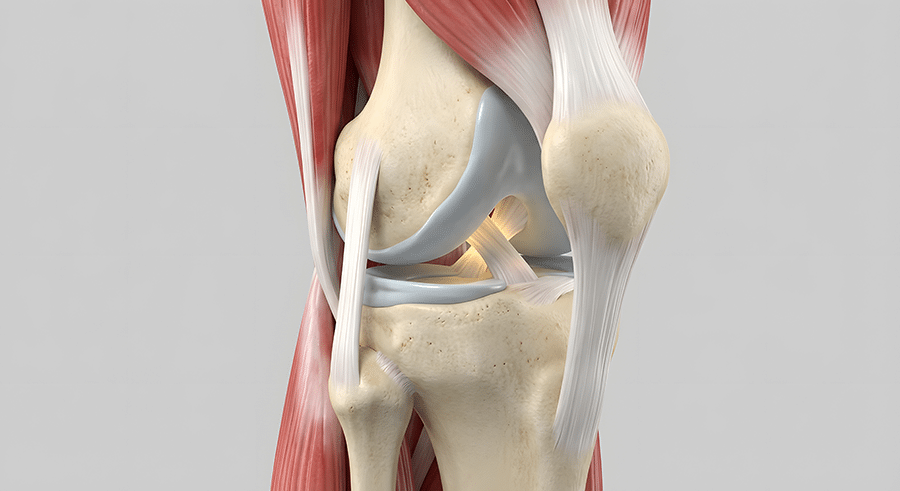
A PRP injection may offer several potential advantages for appropriate candidates:
PRP is generally well tolerated, but like any injection procedure, it carries some risks. The most commonly reported side effect is temporary soreness or discomfort at the injection site, which typically resolves within a few days.
Other possible side effects include:
Serious complications are uncommon. Your doctor will discuss your full risk profile before proceeding.
PRP is one of several biologic injection options available for musculoskeletal conditions. Another one you may encounter is bone marrow aspirate concentrate (BMAC).
PRP | BMAC | |
Source | Blood sample | Bone marrow (pelvis) |
Key components | Platelets and growth factors | Stem cells, growth factors, and regenerative components |
Procedure complexity | 微创 | More involved |
Typically considered for | Broad range of tendon, joint, and soft tissue conditions | Complex or severe cases, such as significant cartilage damage or larger tendon tears |
Evidence base | Most widely studied | Encouraging but largely lower-level evidence |
If joint pain or a tendon condition has been affecting your daily life, it may be worth finding out whether a platelet-rich plasma injection could support your recovery.
At Alps Orthopaedic Centre, that conversation begins with a thorough assessment. Our orthopaedic specialist, Dr Jerry Chen, will give you a clear picture of your diagnosis, the treatment options available to you, and whether PRP is likely to be beneficial in your case.
If PRP is recommended, it is typically discussed as part of a broader management plan that may include physiotherapy, activity modification, and follow-up review to assess your response to treatment.
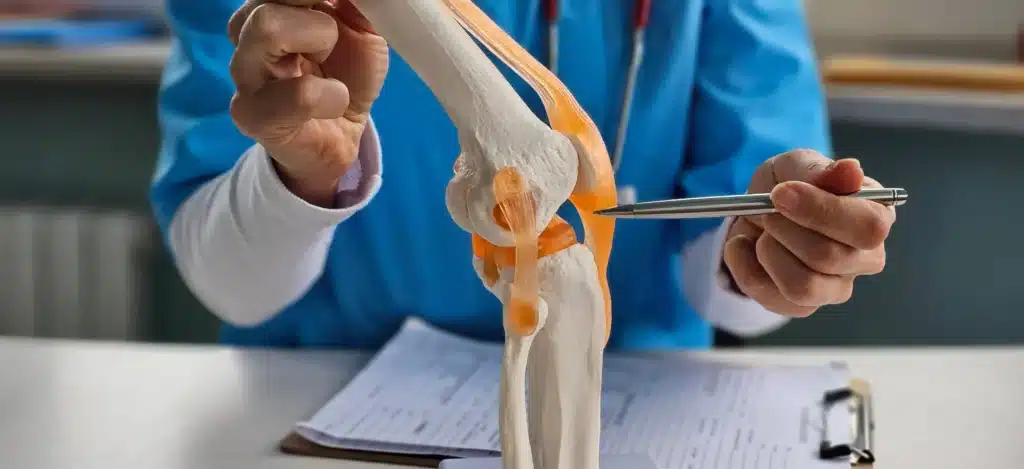
For conditions such as knee pain and certain tendinopathies, multiple studies have shown meaningful improvements in pain and function compared to placebo or corticosteroid injections. Results vary depending on the condition, the area being treated, and individual biology.

MBBS (S'pore), MRCSEd, MMed (Ortho), FRCSEd (Ortho)
受过研究员培训的骨科顾问外科医生兼医务主任
阿尔卑斯矫形外科中心(Alps Orthopaedic Centre)擅长 "术后强化恢复"(ERAS)。作为一种日间手术,ERAS 直接前路全髋关节置换术(THR)和ERAS 全膝关节置换术(TKR)减少了平均住院时间,采用的技术使病人痛苦更少,恢复更快。我们是新加坡一家专门从事 ERAS 的骨科诊所,竭尽全力让患者尽早恢复日常活动。
我们的骨科诊所提供肌肉骨骼问题的专业诊断和有效治疗,尤其是髋关节和膝关节手术、运动损伤和外伤骨折的日间手术/术后加强康复(ERAS)。如果您正在考虑进行髋关节或膝关节手术或微创治疗,请与我们经验丰富的骨科顾问外科医生 Jerry Chen 预约,我们将为您提供全面的评估和治疗方案。
我们的目标是 提高患者的幸福感,优化手术过程的方方面面。通过缩短恢复期 患者能够重新开始他们喜爱的活动。 阿尔卑斯团队提供全面的财务咨询,确保患者了解自己的选择,并就治疗计划做出明智的决定。
MBBS (S'pore), MRCSEd, MMed (Ortho), FRCSEd (Ortho)
受过研究员培训的骨科顾问外科医生兼医务主任
阿尔卑斯矫形外科中心(Alps Orthopaedic Centre)擅长 "术后强化恢复"(ERAS)。作为一种日间手术,ERAS 直接前路全髋关节置换术(THR)和ERAS 全膝关节置换术(TKR)减少了平均住院时间,采用的技术使病人痛苦更少,恢复更快。我们是新加坡一家专门从事 ERAS 的骨科诊所,竭尽全力让患者尽早恢复日常活动。
我们的骨科诊所提供肌肉骨骼问题的专业诊断和有效治疗,尤其是髋关节和膝关节手术、运动损伤和外伤骨折的日间手术/术后加强康复(ERAS)。如果您正在考虑进行髋关节或膝关节手术或微创治疗,请与我们经验丰富的骨科顾问外科医生 Jerry Chen 预约,我们将为您提供全面的评估和治疗方案。
我们的目标是 提高患者的幸福感,优化手术过程的方方面面。通过缩短恢复期 患者能够重新开始他们喜爱的活动。 阿尔卑斯团队提供全面的财务咨询,确保患者了解自己的选择,并就治疗计划做出明智的决定。
MBBS (S'pore), MRCSEd, MMed (Ortho), FRCSEd (Ortho)
受过研究员培训的高级骨科顾问外科医生兼医务主任
阿尔卑斯矫形外科中心(Alps Orthopaedic Centre)擅长 "术后强化恢复"(ERAS)。作为一种日间手术,ERAS 直接前路全髋关节置换术(THR)和ERAS 全膝关节置换术(TKR)减少了平均住院时间,采用的技术使病人痛苦更少,恢复更快。我们是新加坡一家专门从事 ERAS 的骨科诊所,竭尽全力让患者尽早恢复日常活动。
我们的骨科诊所提供肌肉骨骼问题的专业诊断和有效治疗,尤其是髋关节和膝关节手术、运动损伤和外伤骨折的日间手术/术后加强康复(ERAS)。如果您正在考虑进行髋关节或膝关节手术或微创治疗,请与我们经验丰富的骨科高级顾问外科医生 Jerry Chen 预约,我们将为您提供全面的评估和治疗方案。
我们的目标是 提高患者的幸福感,优化手术过程的方方面面。通过缩短恢复期 患者能够重新开始他们喜爱的活动。 阿尔卑斯团队提供全面的财务咨询,确保患者了解自己的选择,并就治疗计划做出明智的决定。

