

Bone Marrow Aspirate Concentrate (BMAC) in Singapore
Persistent musculoskeletal pain does not mean you have failed to recover. It often means the treatment you have tried has not addressed the underlying problem.
At Alps Orthopaedic Centre, we offer bone marrow aspirate concentrate (BMAC), a biologic therapy that uses your body’s own healing potential to repair damaged tissue from within.
What Is Bone Marrow Aspirate Concentrate (BMAC)
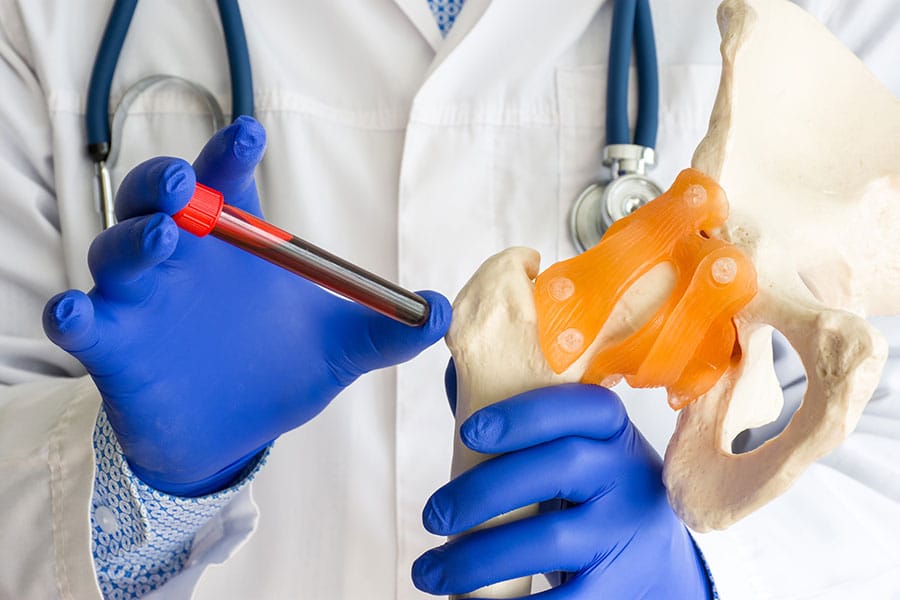
BMAC is derived from bone marrow (the soft, spongy tissue found inside large bones such as the pelvis) and concentrated into an injectable form that delivers a high dose of the body’s own repair materials directly to damaged tissue.
Your bone marrow naturally contains stem cells, growth factors, and anti-inflammatory cytokines, which are signalling proteins that regulate the body’s healing response.
Because BMAC comes from your own body, the risk of rejection or allergic reaction is low.
How Does Bone Marrow Aspirate Concentrate (BMAC) Work
Tissue Repair and Regeneration
When tissue is injured or degenerating, the body’s natural repair process may be insufficient, particularly in areas with limited blood supply such as cartilage, or in cases where the damage has accumulated over many years.
BMAC works by delivering a concentrated dose of mesenchymal stem cells (MSCs), responsible for replenishing soft tissue, cartilage, and bone, directly to where they are needed most. The growth factors within BMAC signal the surrounding cells to begin repairing and regenerating.
Inflammation Control
Beyond direct tissue repair, BMAC also addresses inflammation. Chronic inflammation, if left unchecked, often leads to fibrosis (scarring), which produces dense, fibrous tissue that lacks the flexibility and function of the original. By reducing this inflammatory response, BMAC supports tissue regeneration rather than scar formation.
The result, for many patients, is reduced pain, improved function, and a more favourable environment for healing.
Conditions Bone Marrow Aspirate Concentrate (BMAC) Can Treat
BMAC has been studied and used clinically across a range of musculoskeletal conditions. Your orthopaedic specialist will assess whether it is appropriate for your specific situation.
Cartilage Injuries
Cartilage has a limited ability to repair itself because it lacks a direct blood supply. In patients with focal cartilage defects or chondral damage, a BMAC injection may support regeneration and help slow further deterioration. Knee preservation with cartilage repair is also available as part of a broader approach to managing cartilage conditions.
Early Osteoarthritis
In early to moderate osteoarthritis, pain and inflammation may be reduced and remaining cartilage tissue better preserved with BMAC therapy. It is not a cure for osteoarthritis, but for patients who have not yet reached the stage where knee replacement is necessary, it may offer meaningful relief.
Sports Injuries
Acute sports injuries, including partial ligament tears, tendon damage, and bone stress injuries, are among the conditions where a biological approach to healing may support a faster return to activity. The concentrated growth factors in a BMAC injection can accelerate the repair process, often in conjunction with physiotherapy.
Ligament Injuries
Ligament injuries, particularly partial tears that have not responded adequately to conservative management, are among the conditions where BMAC is frequently considered. The stem cells and growth factors delivered via injection may support ligament tissue repair and improve the structural integrity of the healing tissue. For complete ACL tears, ACL reconstruction may be a more appropriate course of action.
Tendon Injuries
Chronic tendinopathy (degeneration of tendon tissue) is notoriously slow to resolve. For patients with conditions such as patellar tendinopathy, Achilles tendinopathy, or lateral epicondylitis who have not improved with standard treatment, a BMAC injection may stimulate the biological repair process in the affected tendon.
Rotator Cuff Injuries
Partial rotator cuff tears and chronic rotator cuff degeneration are common sources of shoulder pain. For patients with partial tears, or those who have had surgical repair and wish to support the healing process biologically, a BMAC injection may be considered as part of the wider management plan.
Bone Healing and Delayed Fracture Healing
In cases where a fracture is healing slowly or has stalled entirely, a BMAC injection can stimulate the bone-forming cells needed to complete the healing process. Alps Orthopaedic Centre also provides comprehensive fracture management for a range of fracture types.
ho Is a Suitable Candidate for Bone Marrow Aspirate Concentrate (BMAC)
BMAC is not recommended for every patient. Your suitability will be assessed through a thorough clinical evaluation, taking into account your diagnosis, the severity of your condition, and your treatment history.
You may be suitable if… | BMAC may not be appropriate if… |
Conservative treatments have not provided adequate relief | Joint disease is at an advanced stage |
You have early to moderate osteoarthritis and want to explore options before knee replacement | There is an active infection at or near the treatment site |
You have a partial ligament or tendon tear not requiring immediate surgery | You have a blood disorder affecting bone marrow quality |
A fracture is healing slowly or has stalled | Surgery is already clearly indicated |
Still not sure if you qualify for this treatment? Don’t worry, Dr Jerry Chen is happy to answer all your questions.
How Is Bone Marrow Aspirate Concentrate (BMAC) Procedure Performed
The BMAC procedure is typically performed as an outpatient treatment and takes approximately two hours in total. It involves three stages.
Stage | What happens | What to expect |
1. Bone marrow aspiration | A hollow needle draws a small volume of bone marrow from the shin bone or iliac crest (side of the pelvic bone). | Mild sedation is given and local anaesthetic is applied. Most patients describe a mild pressure rather than sharp pain. |
2. Processing and concentration | The aspirate is placed in a centrifuge and spun to concentrate the stem cells, growth factors, and cytokines. | You wait for approximately 20 minutes. The resulting concentrate is significantly more concentrated than the original sample. |
3. Injection into the treatment site | BMAC is injected directly into the affected tissue using ultrasound or fluoroscopic guidance to confirm accurate placement. | A second local anaesthetic is applied around the injection site. The injection itself is brief. |
Still not sure if you qualify for this treatment? Don’t worry, Dr Jerry Chen is happy to answer all your questions.
Recovery After Bone Marrow Aspirate Concentrate (BMAC)
Here’s what you can typically expect after treatment:
- Improvement may be gradual. Many patients begin to notice changes in pain and function over several weeks to months.
- Some conditions respond more quickly than others. Your specialist will give you a realistic timeframe based on your diagnosis.
- Follow-up appointments will be scheduled to monitor progress and guide rehabilitation.
Benefits of Bone Marrow Aspirate Concentrate (BMAC)
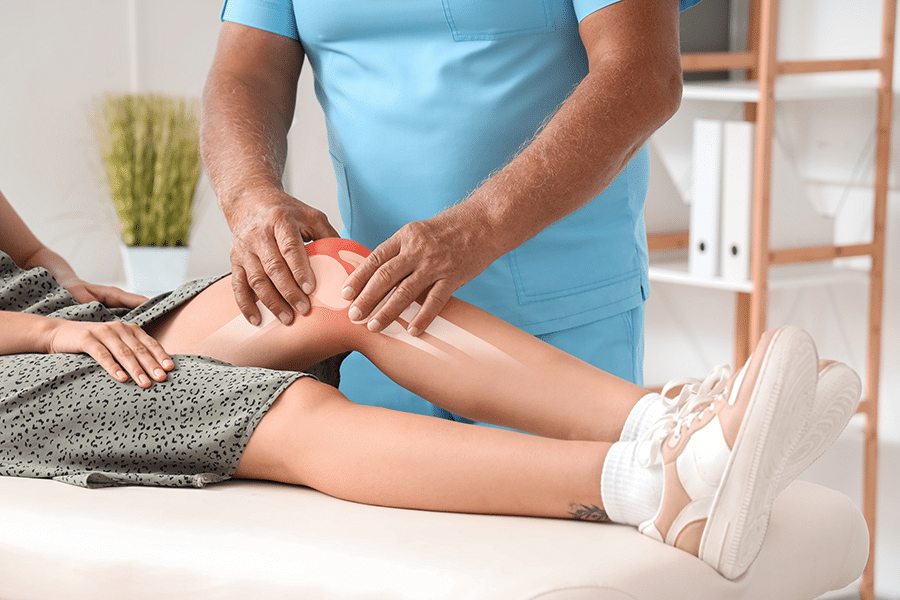
For patients considering their options, BMAC offers several practical advantages over more invasive treatments.
- Uses your own biological material, reducing the risk of adverse reactions
- Addresses both the symptoms and the underlying tissue damage
- Delivered as a minimally invasive injection rather than open surgery
- No hospital stay or general anaesthetic required
- Can be used alongside physiotherapy and surgical repair
Risks and Limitations of Bone Marrow Aspirate Concentrate (BMAC)
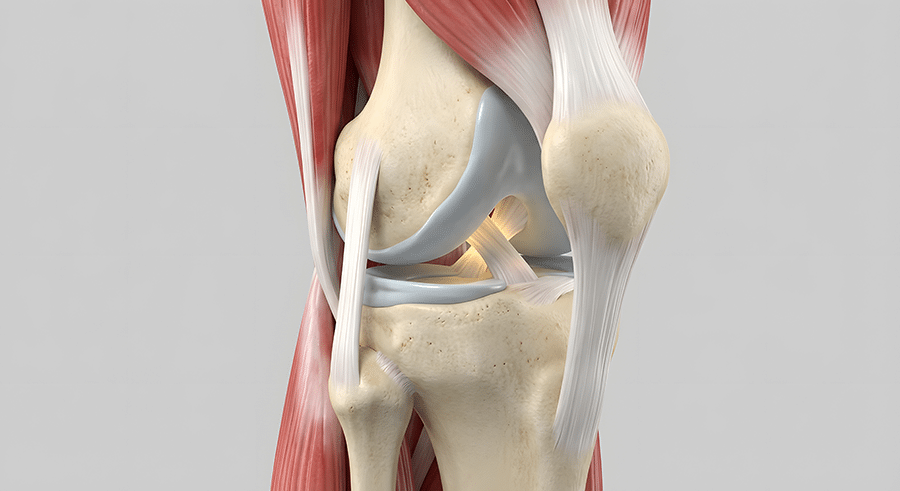
As with any injection-based procedure, there are potential side effects and clinical limitations to be aware of before proceeding.
Possible side effects include:
- Temporary pain and swelling at the aspiration or injection site, usually resolving within a few days.
- A short-term inflammatory response, which may cause mild fever or skin changes.
- Inadvertent injury to nearby nerves or blood vessels (rare when imaging guidance is used).
Limitations to be aware of:
- Outcomes depend on the condition, its severity, and individual biology.
- It is typically considered after other options have been explored.
- It is not a substitute for surgery where surgery is clearly indicated.
What Current Research Says About Bone Marrow Aspirate Concentrate (BMAC)
BMAC is an area of active research in orthopaedic and regenerative medicine. The evidence base is growing, and results to date are broadly encouraging across several conditions.
Studies on BMAC for knee osteoarthritis have reported reductions in pain and improvements in functional scores in a proportion of patients, with current evidence pointing to short- to mid-term relief. Long-term data remains limited and larger randomised controlled trials are ongoing.
For rotator cuff and tendon conditions, early data suggests BMAC may support healing and reduce re-tear rates as a surgical adjunct, though outcomes are not yet consistent. In bone healing, it has a more established track record in oral and maxillofacial surgery, particularly in graft integration and fracture repair.
Our team at Alps Orthopaedic Centre will help you understand what BMAC means for your specific situation.
Book a Consultation at Alps Orthopaedic Centre
Persistent knee pain, slow-healing injuries, and degenerative conditions do not always resolve on their own, and waiting too long can limit your options.
If you have been exploring biologic therapies and want to find out whether BMAC is appropriate for your condition, the team at Alps Orthopaedic Centre can help.
A consultation involves a thorough assessment of your orthopaedic health, a clear explanation of the treatment options available to you, and an honest discussion about what BMAC is realistically likely to achieve.
Frequently Asked Questions On Bone Marrow Aspirate Concentrate (BMAC)
How effective is a BMAC?
How painful is a BMAC?
What should you avoid after a BMAC?
How long does it take to recover from a BMAC?

Dr Jerry Chen
MBBS (S’pore), MRCSEd, MMed (Ortho), FRCSEd (Ortho)
Fellowship-trained Consultant Orthopaedic Surgeon & Medical Director
- Before starting Alps Orthopaedic Centre, Dr Jerry Chen was a Consultant at Singapore General Hospital (SGH), where he accumulated over 13 years of experience in Orthopaedic Surgery.
- Dr Chen spearheaded the workgroup for Enhanced Recovery After Surgery (ERAS) for hip and knee replacement surgeries at SGH, where he successfully employed ERAS, benefiting more than 2,000 patients thus far.
- Having performed over 500 surgeries in a year, he has been instrumental in helping numerous patients recover from injuries and diseases and return to their active lifestyles.
- His clinical interests include Enhanced Recovery After Surgery (ERAS) for Hip and Knee, Sports Injuries, Minimally Invasive Surgery and Robotic Surgery.
Why Alps Orthopaedic Centre?
At Alps Orthopaedic Centre, we specialise in Enhanced Recovery After Surgery (ERAS). Performed as a Day Surgery, the ERAS Direct Anterior Approach in Total Hip Replacement (THR) technique as well as ERAS Total Knee Replacement (TKR), reduces the average hospitalisation stay, utilising techniques which enable the patient to suffer from less pain and recover faster. We are an Orthopaedic clinic in Singapore, which specialises in ERAS and do our utmost to enable patients to return to everyday activities as early as possible.
Our Orthopaedic clinic provides specialised diagnosis and effective treatment of musculoskeletal problems, especially Day Surgery / Enhanced Recovery After Surgery (ERAS) For Hip and Knee Surgery, Sports Injuries and Trauma Fractures. If you are considering hip or knee surgery or minimally invasive treatments, book an appointment with our experienced Consultant Orthopaedic Surgeon, Dr Jerry Chen, for a thorough assessment and treatment plan.
Our aim is to boost patient well-being, optimising every aspect of the surgical journey. By minimising the recovery period, patients are able to go back to activities that they love. The Alps team offers comprehensive financial counselling sessions to ensure our patients understand their options and make informed decisions regarding their treatment plans.
Dr Jerry Chen
MBBS (S’pore), MRCSEd, MMed (Ortho), FRCSEd (Ortho)
Fellowship-trained Consultant Orthopaedic Surgeon & Medical Director
- Before starting Alps Orthopaedic Centre, Dr Jerry Chen was a Consultant at Singapore General Hospital (SGH), where he accumulated over 13 years of experience in Orthopaedic Surgery.
- Dr Chen spearheaded the workgroup for Enhanced Recovery After Surgery (ERAS) for hip and knee replacement surgeries at SGH, where he successfully employed ERAS, benefiting more than 2,000 patients thus far.
- Having performed over 500 surgeries in a year, he has been instrumental in helping numerous patients recover from injuries and diseases and return to their active lifestyles.
- His clinical interests include Enhanced Recovery After Surgery (ERAS) for Hip and Knee, Sports Injuries, Minimally Invasive Surgery and Robotic Surgery.
Why Alps Orthopaedic Centre?
At Alps Orthopaedic Centre, we specialise in Enhanced Recovery After Surgery (ERAS). Performed as a Day Surgery, the ERAS Direct Anterior Approach in Total Hip Replacement (THR) technique as well as ERAS Total Knee Replacement (TKR), reduces the average hospitalisation stay, utilising techniques which enable the patient to suffer from less pain and recover faster. We are an Orthopaedic clinic in Singapore, which specialises in ERAS and do our utmost to enable patients to return to everyday activities as early as possible.
Our Orthopaedic clinic provides specialised diagnosis and effective treatment of musculoskeletal problems, especially Day Surgery / Enhanced Recovery After Surgery (ERAS) For Hip and Knee Surgery, Sports Injuries and Trauma Fractures. If you are considering hip or knee surgery or minimally invasive treatments, book an appointment with our experienced Consultant Orthopaedic Surgeon, Dr Jerry Chen, for a thorough assessment and treatment plan.
Our aim is to boost patient well-being, optimising every aspect of the surgical journey. By minimising the recovery period, patients are able to go back to activities that they love. The Alps team offers comprehensive financial counselling sessions to ensure our patients understand their options and make informed decisions regarding their treatment plans.
Dr Jerry Chen
MBBS (S’pore), MRCSEd, MMed (Ortho), FRCSEd (Ortho)
Fellowship-trained Senior Consultant Orthopaedic Surgeon & Medical Director
- Before starting Alps Orthopaedic Centre, Dr Jerry Chen was a Consultant at Singapore General Hospital (SGH), where he accumulated over 15 years of experience in Orthopaedic Surgery.
- Having performed over 500 surgeries in a year, he has been instrumental in helping numerous patients recover from injuries and diseases of the musculoskeletal system.
- As a driven and valued member, Dr Chen spearheaded the workgroup for Enhanced Recovery After Surgery (ERAS) for hip and knee replacement surgeries at SGH.
- Over the course of his career at SGH, Dr Chen has successfully employed ERAS and reduced the average hospitalisation stay for hip and knee replacement surgeries.
- Going through these ERAS day surgeries has benefited more than 2,000 patients thus far, enabling them to suffer from less pain and recover faster.
- The Alps team is committed to providing specialised orthopaedic care tailored to your unique condition. We offer comprehensive financial counselling sessions to ensure our patients understand their options and make informed decisions regarding their treatment plans.
Why Alps Orthopaedic Centre?
At Alps Orthopaedic Centre, we specialise in Enhanced Recovery After Surgery (ERAS). Performed as a Day Surgery, the ERAS Direct Anterior Approach in Total Hip Replacement (THR) technique as well as ERAS Total Knee Replacement (TKR), reduces the average hospitalisation stay, utilising techniques which enable the patient to suffer from less pain and recover faster. We are an Orthopaedic clinic in Singapore, which specialises in ERAS and do our utmost to enable patients to return to everyday activities as early as possible.
Our Orthopaedic clinic provides specialised diagnosis and effective treatment of musculoskeletal problems, especially Day Surgery / Enhanced Recovery After Surgery (ERAS) For Hip and Knee Surgery, Sports Injuries and Trauma Fractures. If you are considering hip or knee surgery or minimally invasive treatments, book an appointment with our experienced Senior Consultant Orthopaedic Surgeon, Dr Jerry Chen, for a thorough assessment and treatment plan.
Our aim is to boost patient well-being, optimising every aspect of the surgical journey. By minimising the recovery period, patients are able to go back to activities that they love. The Alps team offers comprehensive financial counselling sessions to ensure our patients understand their options and make informed decisions regarding their treatment plans.