A spine fracture occurs when one of the vertebrae — the small bones that stack to form your spinal column — breaks or collapses. These bones hold you upright, bear your body weight, and allow you to bend and turn, while protecting the spinal cord.
When a vertebra fractures, it may lose height, change shape, or shift out of alignment. The injury can affect only the front portion of the bone, or involve the entire vertebra.
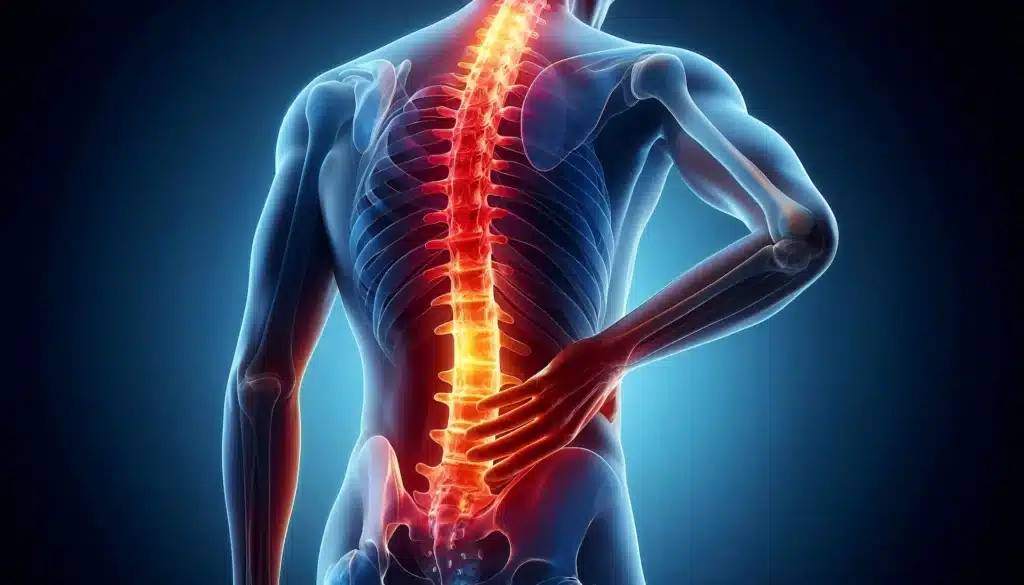
Spine fractures are typically classified based on how the vertebra breaks and whether the spine remains stable.
A spine can get fractured for two main reasons: trauma or weakened bone.
High-impact trauma places sudden force on the spine. This may occur during road traffic accidents, falls from height, contact sports, or heavy blunt impact. These forces more commonly result in burst fractures, chance fractures, or fracture-dislocations, depending on the direction and severity of impact.
When a bone is weak, the spine becomes more vulnerable, even without major trauma. Compression fractures most often develop in this setting, particularly in older adults with osteoporosis. A minor fall, lifting a heavy object, or even routine daily movement may be enough to cause a fracture when bone density is low.
Though less common, infections, tumours, or long-term steroid use may weaken the vertebrae. These conditions can also predispose the spine to compression-type fractures.
Your symptoms may vary depending on how serious the injury is and which part of the spine is affected. You won’t be able to tell the type of fracture from symptoms alone — scans are needed for that. But certain patterns of pain and nerve changes are more commonly seen with specific injuries.
Often linked to osteoporosis, these may present with:
Usually caused by significant trauma, these may cause:
Often associated with high-impact collisions, you may notice:
These are serious injuries and may present with:
Experiencing any of these symptoms? Contact our specialist to confirm or rule out spine fracture, and get the treatment you need in Singapore.
You may be at higher risk of getting a spine fracture if you:

At Alps Orthopaedic Centre, we’ll begin with a physical examination to locate the source of your back pain.
We may guide you through gentle movements to see what worsens your symptoms and check for signs of nerve involvement, such as leg weakness, numbness, or changes in reflexes.
After that, we may run some imaging tests, such as:
The seriousness of a spine fracture depends on three main factors:
Some fractures are stable and heal without needing surgery. Fractures that destabilise the spine or compress the spinal cord may require urgent medical attention.
Even when a fracture is stable, untreated pain and spinal deformity can affect mobility and quality of life. Early assessment reduces the risk of long-term complications.

Many stable fractures can heal without surgery. In these cases, we may recommend:
With appropriate support, your bone may heal after several weeks.
For certain painful compression fractures, especially those related to osteoporosis, we may consider a vertebroplasty or kyphoplasty. These procedures involve stabilising the fractured vertebra to reduce pain and improve structural support.
Surgery may be necessary if the fracture is unstable, there’s spinal cord or nerve compression, or the spine has lost alignment.
Surgical treatment for a spine fracture may involve:
If you had an injury recently, or are experiencing unexplained back pain (even if it feels manageable), speak to a specialist. An undiagnosed spine fracture can worsen over time or lead to long-term complications.
As an experienced orthopaedic specialist in Singapore, Dr Jerry Chen has managed a wide range of spine fractures using both conservative and surgical techniques. He carefully tailors each treatment plan to suit your age, activity level, and recovery goals.
Get a personalised spine fracture treatment plan at Alps Orthopaedic Centre.
Most stable spine fractures take about 6 to 12 weeks to heal, although recovery time varies depending on severity and treatment. More complex injuries or surgical cases may require longer rehabilitation.
Yes, you may still be able to walk with a spine fracture, though it may be painful.
Yes, you can return to sports once you’ve fully healed and completed rehabilitation.
Your risk of a spine fracture depends on your age, bone strength, and the kind of activities you do. If you’re older, consider screening for osteoporosis and make simple changes at home to reduce your risk of falls. If you’re more active or work in higher-risk settings, use proper protective gear and follow safety precautions to lower your chance of serious injury.

MBBS (S’pore), MRCSEd, MMed (Ortho), FRCSEd (Ortho)
Fellowship-trained Consultant Orthopaedic Surgeon & Medical Director
At Alps Orthopaedic Centre, we specialise in Enhanced Recovery After Surgery (ERAS). Performed as a Day Surgery, the ERAS Direct Anterior Approach in Total Hip Replacement (THR) technique as well as ERAS Total Knee Replacement (TKR), reduces the average hospitalisation stay, utilising techniques which enable the patient to suffer from less pain and recover faster. We are an Orthopaedic clinic in Singapore, which specialises in ERAS and do our utmost to enable patients to return to everyday activities as early as possible.
Our Orthopaedic clinic provides specialised diagnosis and effective treatment of musculoskeletal problems, especially Day Surgery / Enhanced Recovery After Surgery (ERAS) For Hip and Knee Surgery, Sports Injuries and Trauma Fractures. If you are considering hip or knee surgery or minimally invasive treatments, book an appointment with our experienced Consultant Orthopaedic Surgeon, Dr Jerry Chen, for a thorough assessment and treatment plan.
Our aim is to boost patient well-being, optimising every aspect of the surgical journey. By minimising the recovery period, patients are able to go back to activities that they love. The Alps team offers comprehensive financial counselling sessions to ensure our patients understand their options and make informed decisions regarding their treatment plans.
MBBS (S’pore), MRCSEd, MMed (Ortho), FRCSEd (Ortho)
Fellowship-trained Consultant Orthopaedic Surgeon & Medical Director
At Alps Orthopaedic Centre, we specialise in Enhanced Recovery After Surgery (ERAS). Performed as a Day Surgery, the ERAS Direct Anterior Approach in Total Hip Replacement (THR) technique as well as ERAS Total Knee Replacement (TKR), reduces the average hospitalisation stay, utilising techniques which enable the patient to suffer from less pain and recover faster. We are an Orthopaedic clinic in Singapore, which specialises in ERAS and do our utmost to enable patients to return to everyday activities as early as possible.
Our Orthopaedic clinic provides specialised diagnosis and effective treatment of musculoskeletal problems, especially Day Surgery / Enhanced Recovery After Surgery (ERAS) For Hip and Knee Surgery, Sports Injuries and Trauma Fractures. If you are considering hip or knee surgery or minimally invasive treatments, book an appointment with our experienced Consultant Orthopaedic Surgeon, Dr Jerry Chen, for a thorough assessment and treatment plan.
Our aim is to boost patient well-being, optimising every aspect of the surgical journey. By minimising the recovery period, patients are able to go back to activities that they love. The Alps team offers comprehensive financial counselling sessions to ensure our patients understand their options and make informed decisions regarding their treatment plans.
MBBS (S’pore), MRCSEd, MMed (Ortho), FRCSEd (Ortho)
Fellowship-trained Senior Consultant Orthopaedic Surgeon & Medical Director
At Alps Orthopaedic Centre, we specialise in Enhanced Recovery After Surgery (ERAS). Performed as a Day Surgery, the ERAS Direct Anterior Approach in Total Hip Replacement (THR) technique as well as ERAS Total Knee Replacement (TKR), reduces the average hospitalisation stay, utilising techniques which enable the patient to suffer from less pain and recover faster. We are an Orthopaedic clinic in Singapore, which specialises in ERAS and do our utmost to enable patients to return to everyday activities as early as possible.
Our Orthopaedic clinic provides specialised diagnosis and effective treatment of musculoskeletal problems, especially Day Surgery / Enhanced Recovery After Surgery (ERAS) For Hip and Knee Surgery, Sports Injuries and Trauma Fractures. If you are considering hip or knee surgery or minimally invasive treatments, book an appointment with our experienced Senior Consultant Orthopaedic Surgeon, Dr Jerry Chen, for a thorough assessment and treatment plan.
Our aim is to boost patient well-being, optimising every aspect of the surgical journey. By minimising the recovery period, patients are able to go back to activities that they love. The Alps team offers comprehensive financial counselling sessions to ensure our patients understand their options and make informed decisions regarding their treatment plans.

