

Ankle Sprain Treatment: Ankle Ligament Surgery in Singapore
An ankle sprain may seem minor initially, but if pain, swelling, or instability persists, you could have a torn ligament requiring more than rest and ice. Whether caused by sports, uneven terrain, or an awkward twist, repeated sprains weaken the joint, increasing the risk of chronic instability or cartilage damage.
At Alps Orthopaedic Centre, we offer ankle sprain treatments, ranging from conservative management and physiotherapy to surgical options such as ankle ligament reconstruction, arthroscopy and cartilage repair – performed by experienced ankle surgeon, Dr Jerry Chen.
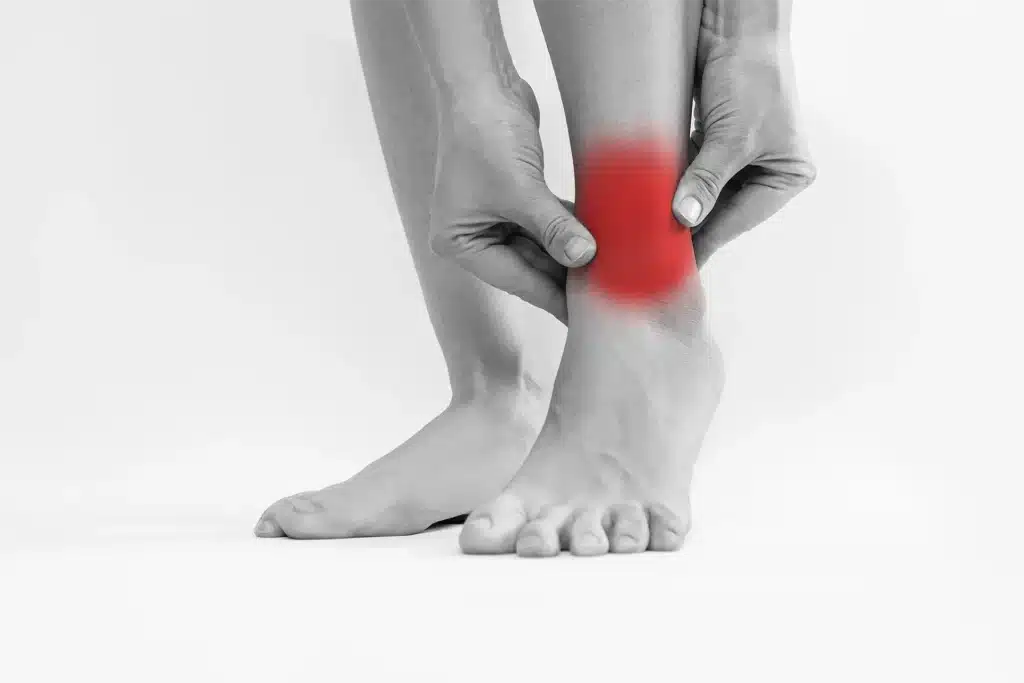
What Is an Ankle Sprain
An ankle sprain happens when the ligaments—strong bands connecting bones—are overstretched or torn. Sprains can vary in severity, commonly classified as:
Mild
Ligaments overstretched but intact
Moderate
Partial ligament tears causing pain and swelling
Severe
Complete ligament tears resulting in joint instability
What Are the Causes of an Ankle Sprain
Ankle sprains affect everyone, not just athletes. Common causes include:
- Rolling the ankle during sports or exercise
- Tripping or stepping into uneven ground
- Landing awkwardly from a jump
- Wearing high heels or unsupportive footwear
- Previous history of ankle injuries

What Are the Signs & Symptoms of an Ankle Sprain
Typical symptoms of an ankle sprain include:
- Sharp or aching pain immediately after injury
- Swelling around the ankle joint
- Bruising or discolouration
- Tenderness when touched
- Difficulty walking or bearing weight
- Feeling of ankle instability or giving way
If symptoms persist beyond a few days or feel severe, seek a consultation with an ankle surgeon in Singapore for accurate diagnosis and treatment.

When Is Ankle Ligament Surgery Recommended
While many ankle sprains improve with non-surgical care, ankle ligament surgery may be advised if:
- Ligaments are completely torn
- Recurrent sprains cause ongoing joint instability
- Conservative treatments fail to provide relief
- There are associated cartilage or bone injuries
Although an ankle sprain might initially seem minor, patients may experience persistent pain, swelling, and instability that interfere with daily activities and work. This is particularly true if the injury is untreated or inadequately managed.
One major complication is chronic ankle instability (CAI), where the ligaments do not heal properly or suffer repeated injury, causing the ankle to give way unexpectedly. This increases risks of falls and further injury.
Repeated sprains may also cause cartilage damage inside the joint, leading to long-term problems like osteoarthritis with pain, stiffness, and mobility loss that affect everyday tasks.
Patients often face frustration from prolonged recovery cycles, reinjury, and anxiety about stability, which impacts confidence and quality of life. Compensatory changes in walking can also cause secondary issues in the knees, hips, or lower back. For physically active Singaporeans, untreated ankle sprains limit mobility and participation in sports or work, making effective and timely treatment essential.
Types of Ankle Ligament Surgery
Arthroscopy
Ankle arthroscopy is a minimally invasive procedure where a small camera is inserted through tiny incisions to inspect and treat the joint. This allows your ankle surgeon to:
- Remove loose bone or cartilage fragments
- Trim or clean damaged cartilage
- Repair minor ligament tears
Arthroscopy offers a less invasive option for treating ankle sprains, with benefits including smaller scars, reduced pain, and quicker recovery. Your ankle surgeon can use this approach to address loose fragments and minor tears efficiently.
Ligament Reconstruction
For complete or repeated ligament tears, ankle ligament reconstruction restores joint stability by:
- Reattaching torn ligaments
- Using tendon grafts (autograft or allograft) to reinforce repair
Ligament reconstruction is key when the ankle suffers severe or repeated ligament injuries. The surgery stabilises the joint and helps prevent further sprains, especially important for athletes and physically active individuals.
Cartilage Repair
Repair methods include:
- Microfracture surgery to stimulate cartilage growth
- Debridement to remove damaged tissue
- Grafting healthy cartilage to injured areas
Cartilage repair techniques treat damage that can worsen ankle function and cause chronic pain, aiming to preserve joint health and delay arthritis.
Ankle Ligament Pre-Surgery Procedure
Before surgery, your ankle surgeon will conduct:
- Physical examination assessing ligament stability.
- X-rays to rule out fractures.
- MRI scans to evaluate soft tissue and cartilage damage.
- Review of your medical history and activity level.
A thorough pre-surgical assessment ensures the best surgical approach for your ankle sprain and recovery goals.
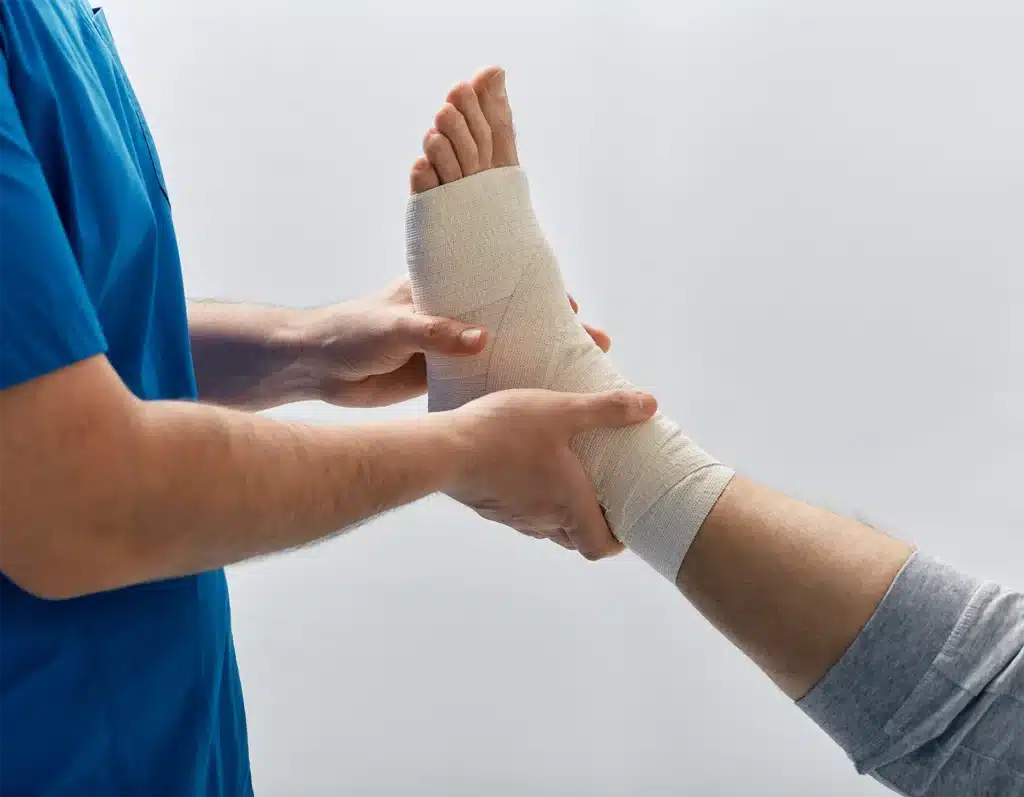
Ankle Ligament Surgery Procedure
Most surgeries are performed under general or regional anaesthesia, lasting one to 2 hours. Procedures may involve:
- Small incisions for arthroscopic access.
- Removal of damaged tissue or debris.
- Ligament reconstruction using sutures or grafts.
- Cartilage repair if needed.
Ankle surgery is usually outpatient but may require an overnight hospital stay. To understand which surgical approach is right for your condition, schedule a consultation with an ankle surgeon in Singapore who can walk you through your options and recovery plan.

Ankle Ligament Post-Surgery Recovery
Recovery is gradual and tailored by your surgeon and physiotherapist:
Weeks 1–3
Protective boot and crutches to avoid weight-bearing.
Weeks 4–6
Begin gradual weight-bearing with movement exercises.
Weeks 7–12
Focus on strengthening muscles and balance.
Months 3–6
Return to light activities, progressing to sports upon clearance.
Recovery after an ankle ligament surgery in Singapore follows a carefully monitored plan involving protection, gradual movement, strengthening, and balance training. Close collaboration with your healthcare team helps ensure a safe return to full activity.
Benefits of Ankle Ligament Surgery
- Restores joint stability and function
- Reduces risk of recurrent injury
- Resolves chronic ankle instability
- Helps prevent long-term joint degeneration
Additionally, surgery can improve quality of life by reducing pain and allowing patients to resume work, sports, and daily activities with confidence.
Risks of Ankle Ligament Surgery
Though uncommon, potential risks may include:
- Infection
- Blood clots
- Nerve or vessel damage
- Excess scar tissue
- Persistent stiffness or pain
- Incomplete recovery in complex cases
Your ankle surgeon will discuss these risks in detail and take steps to minimise complications, ensuring the safest possible outcome.
Non-Surgical Ankle Sprain Treatments
Not all ankle sprains require surgery. Conservative treatments include:
- RICE — Rest, Ice, Compression, Elevation
- Anti-inflammatory medications for pain relief
- Bracing or taping for joint support
- Physiotherapy to restore strength and balance
- Lifestyle adjustments to avoid re-injury
Physiotherapy plays a crucial role in recovery, focusing on improving strength and flexibility to support joint stability and prevent future sprains.
For many patients, a combination of these treatments leads to successful healing without surgery. However, ongoing symptoms or instability should prompt a specialist review.
Frequently Asked Questions on Ankle Sprain
How long does an ankle sprain take to heal?
Mild sprains typically heal within 1–3 weeks with proper rest and conservative treatment. However, moderate to severe sprains, especially those involving partial or complete ligament tears, can take several weeks to months to fully recover.
If surgery is involved, recovery might be longer due to the time needed for ligament healing and rehabilitation. Factors such as age, activity level, and adherence to physiotherapy also influence healing time.
Can I walk with an ankle sprain?
If your ankle is painful, swollen, or feels unstable, it’s best to avoid walking or putting weight on it until evaluated by a professional. Walking too soon on an injured ankle can worsen the ligament damage, delay healing, and increase the risk of further injury. Your doctor or ankle surgeon in Singapore may recommend using crutches or a protective boot during the early phase to allow healing and prevent complications.
How to tell if it’s an ankle sprain or fracture?
An ankle fracture usually causes sharp, constant pain directly over the bone, swelling, and difficulty bearing weight on the foot. You might also notice visible deformity or an abnormal position of the ankle or foot.
In contrast, a sprain typically involves ligament injury with more diffuse swelling, bruising, and tenderness around the joint rather than the bone itself. Only diagnostic imaging such as an X-ray or MRI can definitively distinguish a sprain from a fracture, which is why timely evaluation is essential.
Can ankle sprains heal on their own?
Many mild ankle sprains do heal effectively without surgery if properly managed with rest, ice, compression, elevation (RICE), and physiotherapy. However, if you experience persistent instability, repeated sprains, or ongoing pain, it is important to consult an ankle surgeon. Untreated ligament damage can lead to chronic instability, increasing the risk of further injury and long-term joint damage.
How do doctors test for ankle sprains?
Doctors begin with a physical examination to assess the degree of ligament injury by checking for tenderness, swelling, range of motion, and joint stability. They often use specific manoeuvres to test ligament integrity. Imaging studies such as X-rays are used to exclude fractures, while MRI scans provide detailed views of soft tissues including ligaments, cartilage, and tendons. These tests allow your ankle surgeon to accurately diagnose the injury and tailor the most appropriate ankle treatment plan.

Dr Jerry Chen
MBBS (S’pore), MRCSEd, MMed (Ortho), FRCSEd (Ortho)
Fellowship-trained Consultant Orthopaedic Surgeon & Medical Director
- Before starting Alps Orthopaedic Centre, Dr Jerry Chen was a Consultant at Singapore General Hospital (SGH), where he accumulated over 13 years of experience in Orthopaedic Surgery.
- Dr Chen spearheaded the workgroup for Enhanced Recovery After Surgery (ERAS) for hip and knee replacement surgeries at SGH, where he successfully employed ERAS, benefiting more than 2,000 patients thus far.
- Having performed over 500 surgeries in a year, he has been instrumental in helping numerous patients recover from injuries and diseases and return to their active lifestyles.
- His clinical interests include Enhanced Recovery After Surgery (ERAS) for Hip and Knee, Sports Injuries, Minimally Invasive Surgery and Robotic Surgery.
Why Alps Orthopaedic Centre?
At Alps Orthopaedic Centre, we specialise in Enhanced Recovery After Surgery (ERAS). Performed as a Day Surgery, the ERAS Direct Anterior Approach in Total Hip Replacement (THR) technique as well as ERAS Total Knee Replacement (TKR), reduces the average hospitalisation stay, utilising techniques which enable the patient to suffer from less pain and recover faster. We are an Orthopaedic clinic in Singapore, which specialises in ERAS and do our utmost to enable patients to return to everyday activities as early as possible.
Our Orthopaedic clinic provides specialised diagnosis and effective treatment of musculoskeletal problems, especially Day Surgery / Enhanced Recovery After Surgery (ERAS) For Hip and Knee Surgery, Sports Injuries and Trauma Fractures. If you are considering hip or knee surgery or minimally invasive treatments, book an appointment with our experienced Consultant Orthopaedic Surgeon, Dr Jerry Chen, for a thorough assessment and treatment plan.
Our aim is to boost patient well-being, optimising every aspect of the surgical journey. By minimising the recovery period, patients are able to go back to activities that they love. The Alps team offers comprehensive financial counselling sessions to ensure our patients understand their options and make informed decisions regarding their treatment plans.
Dr Jerry Chen
MBBS (S’pore), MRCSEd, MMed (Ortho), FRCSEd (Ortho)
Fellowship-trained Consultant Orthopaedic Surgeon & Medical Director
- Before starting Alps Orthopaedic Centre, Dr Jerry Chen was a Consultant at Singapore General Hospital (SGH), where he accumulated over 13 years of experience in Orthopaedic Surgery.
- Dr Chen spearheaded the workgroup for Enhanced Recovery After Surgery (ERAS) for hip and knee replacement surgeries at SGH, where he successfully employed ERAS, benefiting more than 2,000 patients thus far.
- Having performed over 500 surgeries in a year, he has been instrumental in helping numerous patients recover from injuries and diseases and return to their active lifestyles.
- His clinical interests include Enhanced Recovery After Surgery (ERAS) for Hip and Knee, Sports Injuries, Minimally Invasive Surgery and Robotic Surgery.
Why Alps Orthopaedic Centre?
At Alps Orthopaedic Centre, we specialise in Enhanced Recovery After Surgery (ERAS). Performed as a Day Surgery, the ERAS Direct Anterior Approach in Total Hip Replacement (THR) technique as well as ERAS Total Knee Replacement (TKR), reduces the average hospitalisation stay, utilising techniques which enable the patient to suffer from less pain and recover faster. We are an Orthopaedic clinic in Singapore, which specialises in ERAS and do our utmost to enable patients to return to everyday activities as early as possible.
Our Orthopaedic clinic provides specialised diagnosis and effective treatment of musculoskeletal problems, especially Day Surgery / Enhanced Recovery After Surgery (ERAS) For Hip and Knee Surgery, Sports Injuries and Trauma Fractures. If you are considering hip or knee surgery or minimally invasive treatments, book an appointment with our experienced Consultant Orthopaedic Surgeon, Dr Jerry Chen, for a thorough assessment and treatment plan.
Our aim is to boost patient well-being, optimising every aspect of the surgical journey. By minimising the recovery period, patients are able to go back to activities that they love. The Alps team offers comprehensive financial counselling sessions to ensure our patients understand their options and make informed decisions regarding their treatment plans.
Dr Jerry Chen
MBBS (S’pore), MRCSEd, MMed (Ortho), FRCSEd (Ortho)
Fellowship-trained Senior Consultant Orthopaedic Surgeon & Medical Director
- Before starting Alps Orthopaedic Centre, Dr Jerry Chen was a Consultant at Singapore General Hospital (SGH), where he accumulated over 15 years of experience in Orthopaedic Surgery.
- Having performed over 500 surgeries in a year, he has been instrumental in helping numerous patients recover from injuries and diseases of the musculoskeletal system.
- As a driven and valued member, Dr Chen spearheaded the workgroup for Enhanced Recovery After Surgery (ERAS) for hip and knee replacement surgeries at SGH.
- Over the course of his career at SGH, Dr Chen has successfully employed ERAS and reduced the average hospitalisation stay for hip and knee replacement surgeries.
- Going through these ERAS day surgeries has benefited more than 2,000 patients thus far, enabling them to suffer from less pain and recover faster.
- The Alps team is committed to providing specialised orthopaedic care tailored to your unique condition. We offer comprehensive financial counselling sessions to ensure our patients understand their options and make informed decisions regarding their treatment plans.
Why Alps Orthopaedic Centre?
At Alps Orthopaedic Centre, we specialise in Enhanced Recovery After Surgery (ERAS). Performed as a Day Surgery, the ERAS Direct Anterior Approach in Total Hip Replacement (THR) technique as well as ERAS Total Knee Replacement (TKR), reduces the average hospitalisation stay, utilising techniques which enable the patient to suffer from less pain and recover faster. We are an Orthopaedic clinic in Singapore, which specialises in ERAS and do our utmost to enable patients to return to everyday activities as early as possible.
Our Orthopaedic clinic provides specialised diagnosis and effective treatment of musculoskeletal problems, especially Day Surgery / Enhanced Recovery After Surgery (ERAS) For Hip and Knee Surgery, Sports Injuries and Trauma Fractures. If you are considering hip or knee surgery or minimally invasive treatments, book an appointment with our experienced Senior Consultant Orthopaedic Surgeon, Dr Jerry Chen, for a thorough assessment and treatment plan.
Our aim is to boost patient well-being, optimising every aspect of the surgical journey. By minimising the recovery period, patients are able to go back to activities that they love. The Alps team offers comprehensive financial counselling sessions to ensure our patients understand their options and make informed decisions regarding their treatment plans.