
Knee cartilage repair is a treatment that helps restore damaged cartilage in your knee. Cartilage is the smooth tissue that cushions your bones and lets you move without pain. If you’ve injured your knee through sports, an accident, or wear and tear, you might feel pain, swelling, or stiffness. Cartilage repair can relieve your pain, improve your knee’s function, and slow down further damage, helping you get back to your daily activities.
Knee cartilage can get damaged for several reasons. You might experience injury or wear and tear from:
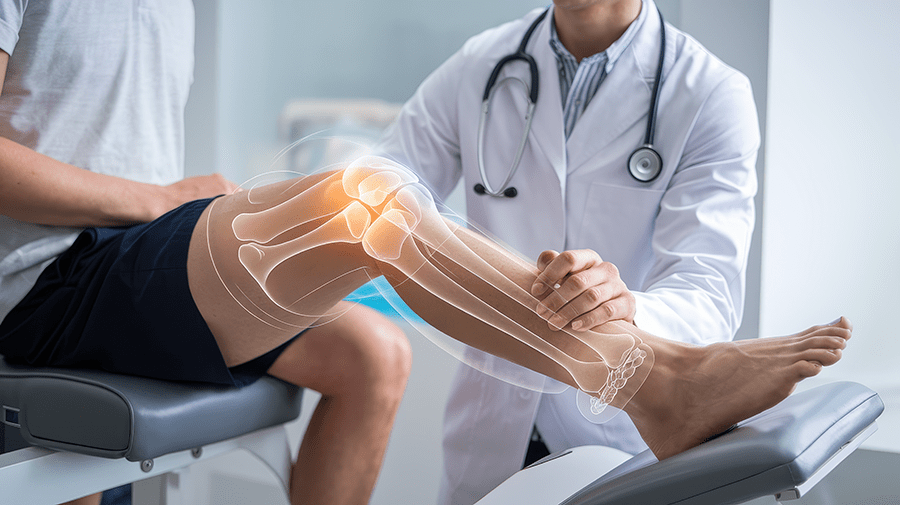
You might need cartilage repair surgery if your knee injury is affecting your daily life or mobility. Surgery is usually considered when:

Cartilage repair plays a vital role in knee preservation, offering hope for individuals with cartilage damage to maintain mobility, function, and quality of life. Recognising the importance of preserving the knee joint and avoiding or delaying the need for more invasive procedures, orthopaedic specialists have explored various techniques for cartilage repair without requiring any modifications to its surrounding tissues. These approaches aim to restore the structural integrity of the cartilage, alleviate symptoms, and promote long-term joint health.

The knee cartilage is a crucial tissue that facilitates movement.
When it comes to surgical repair of knee cartilage, several techniques are commonly used, depending on the size and location of the injury:
Patients undergoing cartilage repair procedures should have realistic expectations regarding pain relief, functional improvement, and return to activity. The procedure’s success is contingent on various factors, including the size and location of the cartilage defect, the patient’s age, overall health, and adherence to postoperative rehabilitation. Long-term success depends on various factors such as patient compliance with postoperative rehabilitation, maintenance of a healthy lifestyle, and avoidance of activities that place undue stress on the repaired joint.
If your cartilage damage is mild or you want to avoid surgery, several non-surgical options can help reduce pain, improve knee function, and slow further damage:
If you’re unsure about the right approach for your knee cartilage, it’s important to get a personalised assessment.
At Alps Orthopaedic Centre, our specialist can accurately diagnose your cartilage injury using clinical exams and imaging, then recommend the most suitable treatment, whether non-surgical therapies or surgical repair.
We will create a customised recovery plan to help restore your knee’s function and protect it long-term, while also guiding you on ways to prevent further cartilage damage. Book a consultation with Dr Jerry Chen today.

MBBS (S’pore), MRCSEd, MMed (Ortho), FRCSEd (Ortho)
Fellowship-trained Consultant Orthopaedic Surgeon & Medical Director
At Alps Orthopaedic Centre, we specialise in Enhanced Recovery After Surgery (ERAS). Performed as a Day Surgery, the ERAS Direct Anterior Approach in Total Hip Replacement (THR) technique as well as ERAS Total Knee Replacement (TKR), reduces the average hospitalisation stay, utilising techniques which enable the patient to suffer from less pain and recover faster. We are an Orthopaedic clinic in Singapore, which specialises in ERAS and do our utmost to enable patients to return to everyday activities as early as possible.
Our Orthopaedic clinic provides specialised diagnosis and effective treatment of musculoskeletal problems, especially Day Surgery / Enhanced Recovery After Surgery (ERAS) For Hip and Knee Surgery, Sports Injuries and Trauma Fractures. If you are considering hip or knee surgery or minimally invasive treatments, book an appointment with our experienced Consultant Orthopaedic Surgeon, Dr Jerry Chen, for a thorough assessment and treatment plan.
Our aim is to boost patient well-being, optimising every aspect of the surgical journey. By minimising the recovery period, patients are able to go back to activities that they love. The Alps team offers comprehensive financial counselling sessions to ensure our patients understand their options and make informed decisions regarding their treatment plans.
MBBS (S’pore), MRCSEd, MMed (Ortho), FRCSEd (Ortho)
Fellowship-trained Consultant Orthopaedic Surgeon & Medical Director
At Alps Orthopaedic Centre, we specialise in Enhanced Recovery After Surgery (ERAS). Performed as a Day Surgery, the ERAS Direct Anterior Approach in Total Hip Replacement (THR) technique as well as ERAS Total Knee Replacement (TKR), reduces the average hospitalisation stay, utilising techniques which enable the patient to suffer from less pain and recover faster. We are an Orthopaedic clinic in Singapore, which specialises in ERAS and do our utmost to enable patients to return to everyday activities as early as possible.
Our Orthopaedic clinic provides specialised diagnosis and effective treatment of musculoskeletal problems, especially Day Surgery / Enhanced Recovery After Surgery (ERAS) For Hip and Knee Surgery, Sports Injuries and Trauma Fractures. If you are considering hip or knee surgery or minimally invasive treatments, book an appointment with our experienced Consultant Orthopaedic Surgeon, Dr Jerry Chen, for a thorough assessment and treatment plan.
Our aim is to boost patient well-being, optimising every aspect of the surgical journey. By minimising the recovery period, patients are able to go back to activities that they love. The Alps team offers comprehensive financial counselling sessions to ensure our patients understand their options and make informed decisions regarding their treatment plans.
MBBS (S’pore), MRCSEd, MMed (Ortho), FRCSEd (Ortho)
Fellowship-trained Senior Consultant Orthopaedic Surgeon & Medical Director
At Alps Orthopaedic Centre, we specialise in Enhanced Recovery After Surgery (ERAS). Performed as a Day Surgery, the ERAS Direct Anterior Approach in Total Hip Replacement (THR) technique as well as ERAS Total Knee Replacement (TKR), reduces the average hospitalisation stay, utilising techniques which enable the patient to suffer from less pain and recover faster. We are an Orthopaedic clinic in Singapore, which specialises in ERAS and do our utmost to enable patients to return to everyday activities as early as possible.
Our Orthopaedic clinic provides specialised diagnosis and effective treatment of musculoskeletal problems, especially Day Surgery / Enhanced Recovery After Surgery (ERAS) For Hip and Knee Surgery, Sports Injuries and Trauma Fractures. If you are considering hip or knee surgery or minimally invasive treatments, book an appointment with our experienced Senior Consultant Orthopaedic Surgeon, Dr Jerry Chen, for a thorough assessment and treatment plan.
Our aim is to boost patient well-being, optimising every aspect of the surgical journey. By minimising the recovery period, patients are able to go back to activities that they love. The Alps team offers comprehensive financial counselling sessions to ensure our patients understand their options and make informed decisions regarding their treatment plans.

