

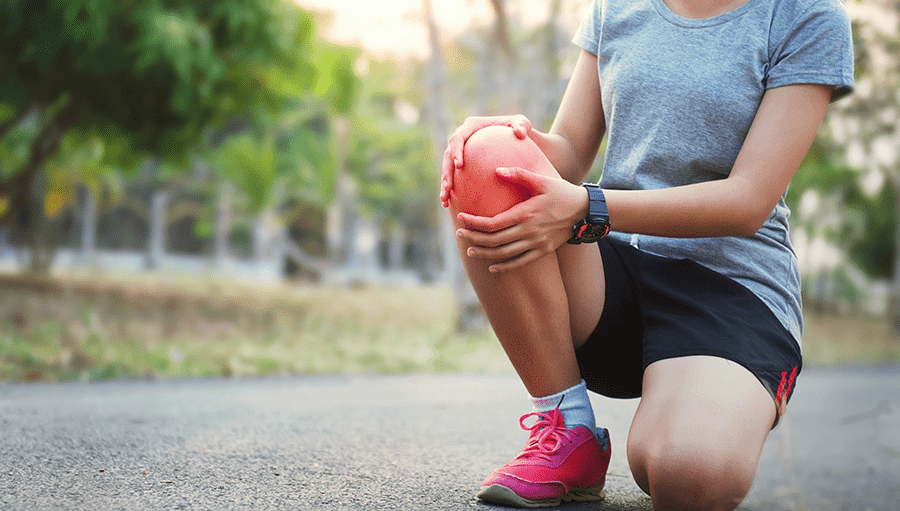
Knee pain is one of the most common musculoskeletal complaints, especially as people get older. While sports injuries and accidents can cause sudden knee problems, many people find that discomfort develops gradually over the years. The good news is that simple daily habits can go a long way in protecting your knees, delaying age-related wear, and helping you stay active and independent for longer.
Why Knee Health Declines With Age
Natural wear and tear on the knee joint
The knee is a weight-bearing hinge joint that absorbs shock and supports movement in almost every step you take. Over decades, the cartilage that cushions the bones can slowly wear away. This natural process—known as degenerative change—means the joint may no longer glide as smoothly as it once did.
Loss of cartilage and joint fluid
Cartilage acts like a protective layer between the thigh bone (femur) and shin bone (tibia). In addition to this, the joint contains synovial fluid, which lubricates movement. With age, both cartilage and joint fluid can become thinner, increasing friction and discomfort.
Increased risk of arthritis and mobility issues
Osteoarthritis—the most common type of arthritis—affects a significant proportion of older adults. It can lead to stiffness, swelling, and reduced range of motion. These changes can make everyday activities like walking, climbing stairs, or kneeling more difficult.
Impact on quality of life and independence
Knee problems can limit mobility, making it harder to maintain fitness, participate in hobbies, or live independently. The resulting reduction in activity may further weaken muscles and joints, creating a cycle that accelerates functional decline.
Everyday Habits That Protect Your Knees
Maintain a healthy weight
Excess body weight places additional strain on the knee joint. Even a modest weight reduction can reduce the risk of knee osteoarthritis or slow its progression.
Reduce high-impact or repetitive stress activities
Running on hard surfaces, frequent jumping, or deep squatting can put unnecessary pressure on your knees. Low-impact activities—such as swimming or cycling—are generally gentler on the joints while still keeping you fit.
Warm up before exercise, cool down after
Preparing your muscles and joints before activity increases blood flow and flexibility, which may lower the risk of injury. A cool-down period allows your heart rate to return to normal and helps reduce post-exercise stiffness.
Stretch and strengthen regularly
Strong muscles help support and protect the knee. Stretching keeps the surrounding soft tissues flexible, which may reduce strain on the joint. Focus on both flexibility and strength in your routine.
Keep surrounding joints strong
The hip and ankle joints play an important role in knee alignment and stability. Weakness in these areas can lead to poor movement patterns that overload the knees.
Early Signs of Knee Trouble You Shouldn’t Ignore
Knee problems often develop gradually. Being alert to early warning signs may help you address issues before they worsen.
- Stiffness or swelling after activity – Temporary swelling might occur after strenuous exercise, but recurring symptoms could indicate an underlying condition.
- Pain when walking, climbing stairs, or standing up – Discomfort during these common movements may suggest joint wear or soft tissue irritation.
- Popping or grinding sounds – Occasional clicking is usually harmless, but consistent noises paired with pain may signal cartilage damage.
- When to see a doctor – If symptoms persist for more than a few days, limit your mobility, or are accompanied by redness and warmth around the joint, it may be time to seek professional assessment from a knee specialist.
Non-Surgical Knee Pain Management
Fortunately, not all knee pain conditions will require surgery. In some cases, conservative management can help maintain knee function and reduce discomfort.
- Physical Therapy and Rehabilitation Programmes – These individualised exercises aim to strengthen muscles and improve flexibility.
- Use of Knee Braces, Orthotics, or Walking Aids – They provide support and offload pressure during daily activities.
- Low-Impact Exercise – Walking, swimming, or cycling helps maintain mobility without adding pressure to the joint.
- Injections (Corticosteroids or Hyaluronic Acid) – Can reduce inflammation or improve joint lubrication when appropriate.
- Pain Management Medications – Over-the-counter anti-inflammatories may relieve temporary discomfort.
When Knee Surgery Becomes an Option
Knee surgery may be considered if non-surgical approaches no longer provide adequate relief or if knee pain significantly interferes with daily life. Persistent pain, instability, or loss of function despite consistent conservative treatment are common indicators. Severe deformity, such as bowing of the leg, may also point to advanced joint damage.
Types of Knee Pain Surgery
- Partial Knee Replacement (Unicompartmental Knee Arthroplasty) – Replaces only the damaged compartment while preserving healthy tissue.
- Total Knee Replacement – Replaces the entire joint for widespread damage.
- Robotic-Assisted Knee Surgery – Improves precision and may improve recovery outcomes.
Prevention is the Best Form of Knee Pain Management
Protecting your knees is often more effective than treating advanced damage. By maintaining a healthy weight, keeping your muscles strong, and being attentive to early warning signs, you can reduce the risk of serious knee problems.
If symptoms remain or worsen despite these knee pain management strategies, it may be time to get professional help. At Alps Orthopaedic, we provide comprehensive knee care in Singapore, from non-surgical management to surgical solutions. Post-surgery, we will also share with patients healthy knee habits and knee pain prevention exercises, so that they can preserve their results for the long run.
Book an appointment with our knee specialist today!
